
The Cybersecurity and Infrastructure Security Agency (CISA) identifies 16 critical infrastructure sectors whose assets, systems, and networks, whether physical or virtual, are considered so vital to the United States that their incapacitation or destruction would have a debilitating effect on security, national economic security, national public health or safety, or any combination thereof. Presidential Policy Directive 21 (PPD-21): Critical Infrastructure Security and Resilience advances a national policy to strengthen and maintain secure, functioning, and resilient critical infrastructure. This directive supersedes Homeland Security Presidential Directive 7.
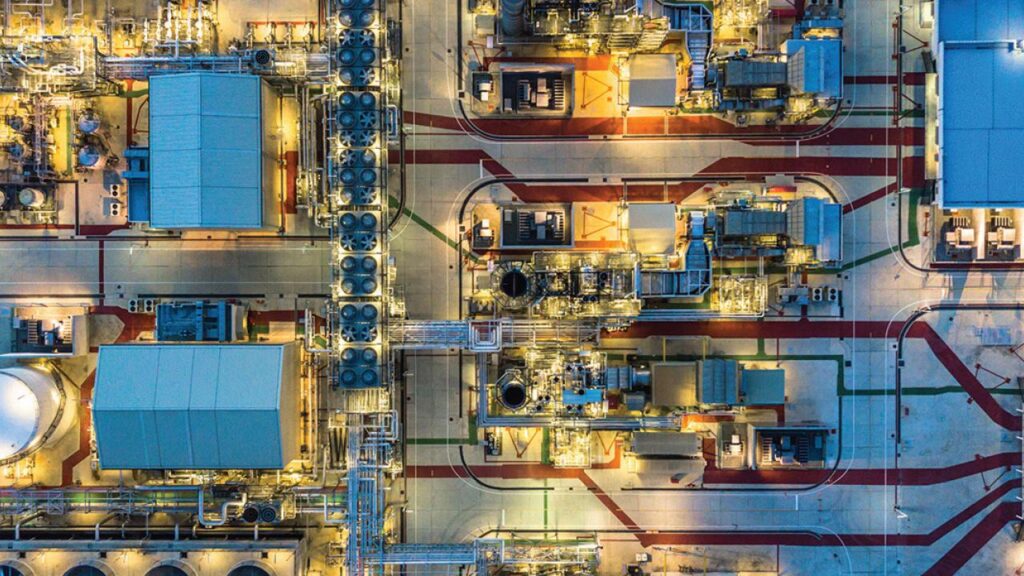
Chemical Sector
The Chemical Sector, an integral component of the U.S. economy, manufactures, stores, uses, and transports potentially dangerous chemicals on which other critical infrastructure sectors rely.

Commercial Facilities Sector
The Commercial Facilities Sector protects a wide range of sites that draw large crowds of people for shopping, business, entertainment, or lodging.

Communications Sector
The private sector is primarily responsible for protecting the Communications Sector’s infrastructure and assets. CISA helps predict, anticipate, and respond to sector outages.

Critical Manufacturing Sector
CISA identifies, assesses, prioritizes, and protects manufacturing industries of national significance to prevent and mitigate the impact of man-made or natural disasters.
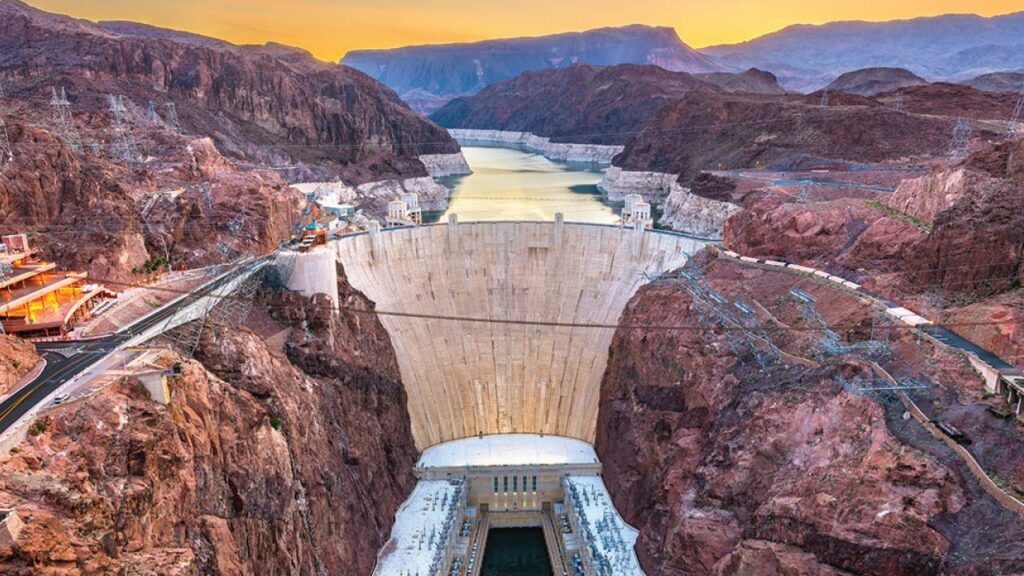
Dams Sector
The Dams Sector delivers critical water retention and control services in the U.S., supporting multiple critical infrastructure sectors and industries.
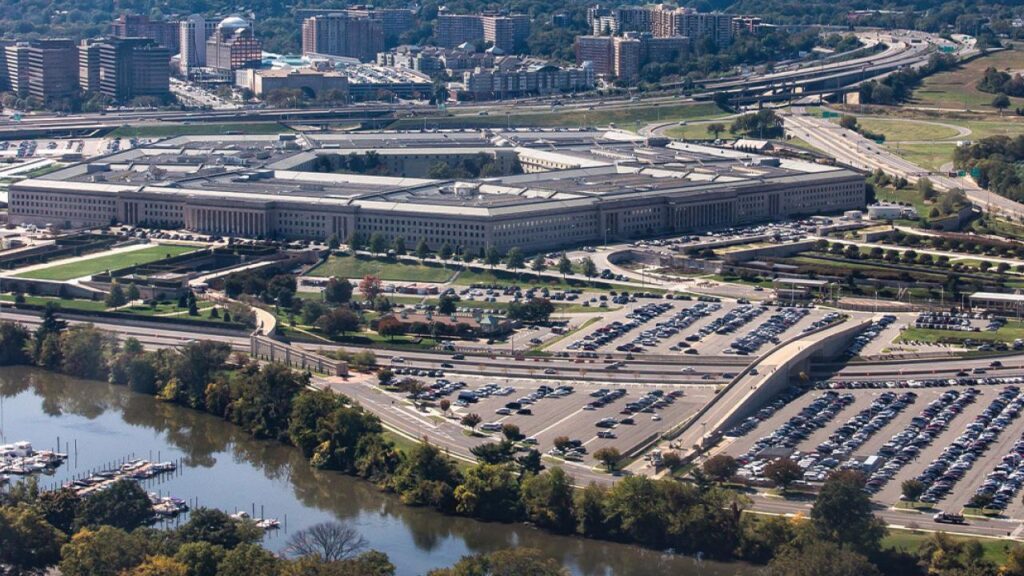
Defense Industrial Base Sector
The Defense Industrial Base Sector is the worldwide industrial complex that enables research and development of military weapons systems, subsystems, and components or parts.

Emergency Services Sector
The Emergency Services Sector maintains public safety and security, performs lifesaving operations, protects property and the environment, and assists communities impacted by disasters.
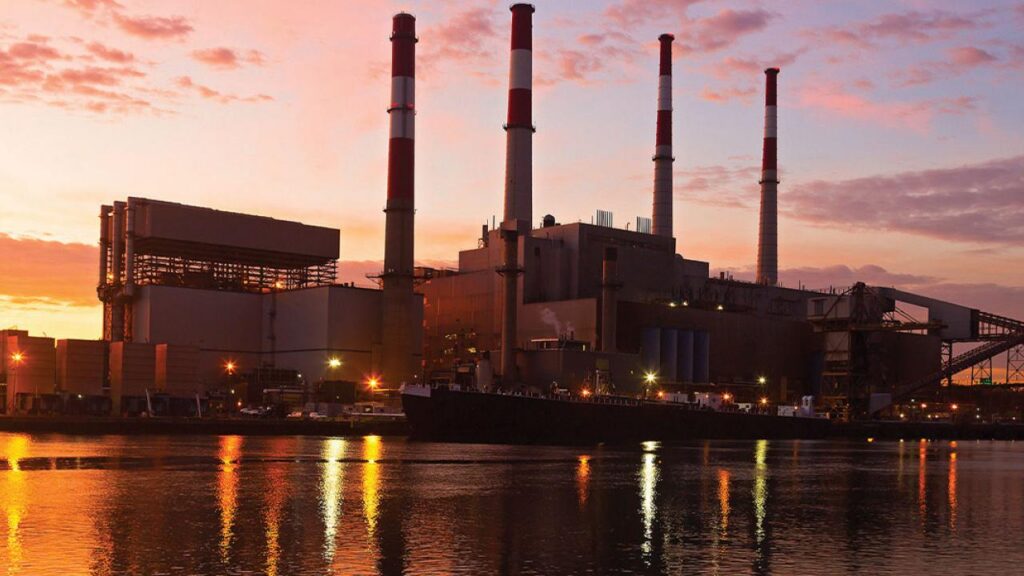
Energy Sector
The Energy Sector protects a multifaceted web of electricity, oil, and natural gas resources and assets to maintain steady energy supplies and ensure the overall health and wellness of the nation.

Financial Services Sector
Financial institutions, ranging from some of the world’s largest global companies to community banks and credit unions, face a wide range of potential risks.
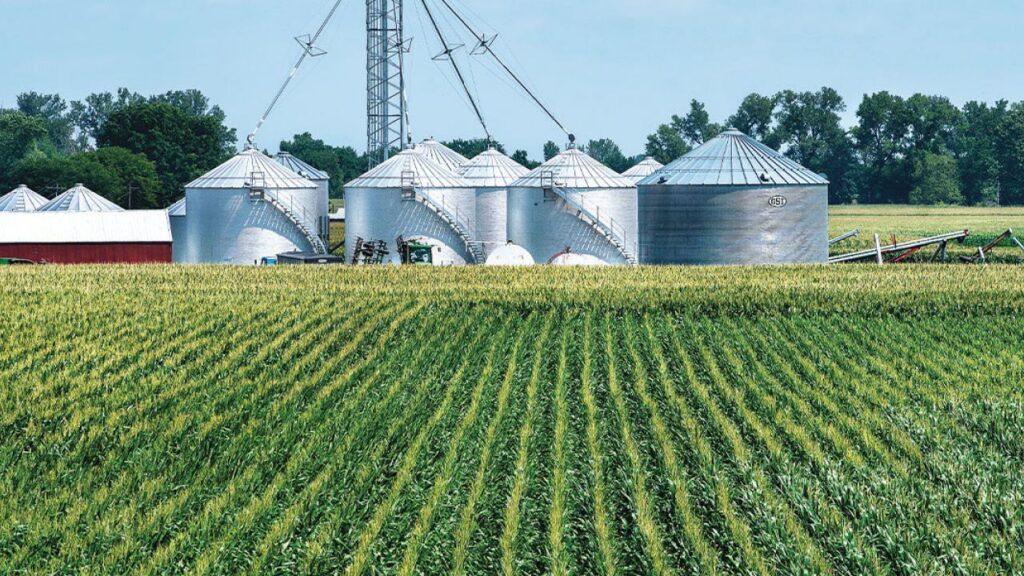
Food and Agriculture Sector
The Food and Agriculture Sector comprises farms, restaurants, and food manufacturing, processing, and storage facilities.
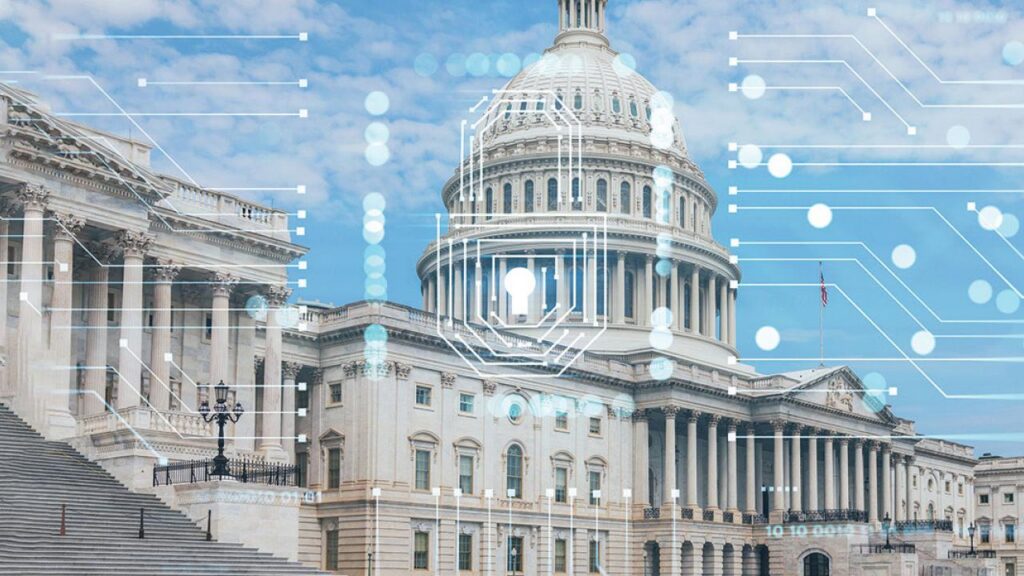
Government Services and Facilities Sector
The Government Services and Facilities Sector helps Federal, state, local, tribal, and territorial facilities identify their unique risk factors and protect against potential attacks or issues.

Healthcare and Public Health Sector
The Healthcare and Public Health Sector relies on collaboration to protect all sectors of the economy from hazards such as terrorism, infectious disease outbreaks, and natural disasters.

Information Technology Sector
The nation’s growing dependency on IT makes the Information Technology Sector’s mission to identify and protect against cyber threats and vulnerabilities more complex and important every day.
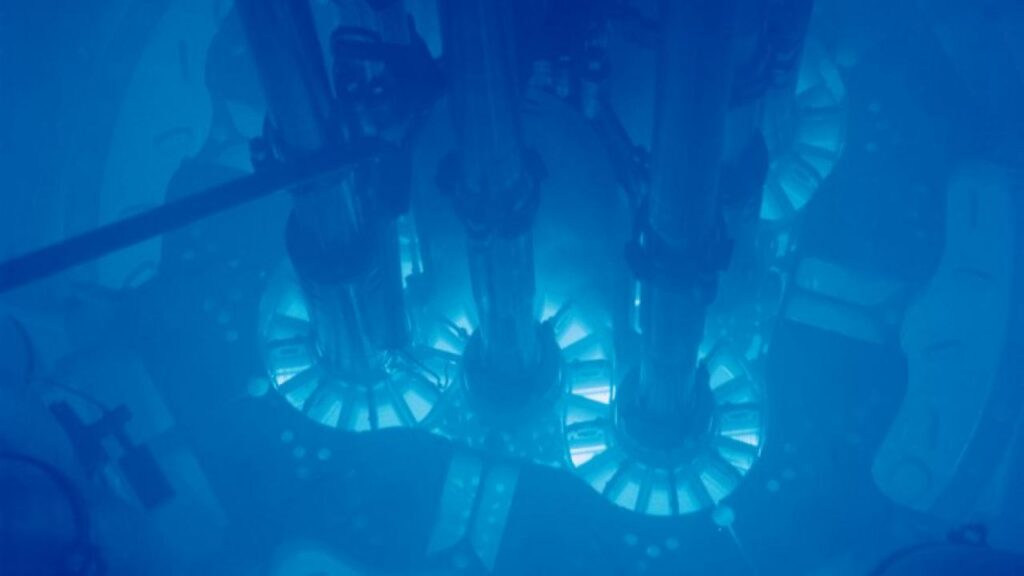

Transportation Systems Sector
Moving millions of people and goods across the country every day, CISA protects the Transportation Systems Sector from a limitless number of threats and risks to ensure continuity of operations.
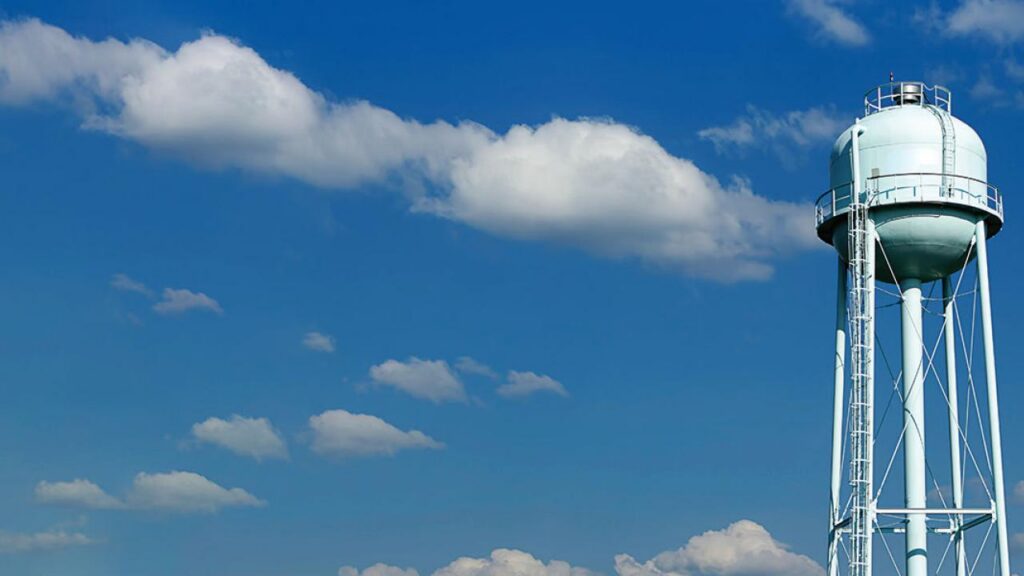
Water and Wastewater Systems
Protecting the systems that provide water is vitally important to the stability and health of the nation and is the mission of the Water and Wastewater Systems Sector.